TAG

#public health

5 articles
Illustration: a village lane with a dirt road, a plank fence and the closed wooden gate of a homestead, against a backdrop of hills, in warm summer light.
LOCAL

Third rabies outbreak in Ungheni district in two weeks: restrictions in Costuleni

A case of rabies has been confirmed in the village of Costuleni, Ungheni district — the third outbreak in the district after Rezina and Măgurele, in less than two weeks. Decision No. 1/E of 11 August, the first of the newly established crisis-management commission, approved a plan of 14 anti-epizootic measures: a census of animals within five days, a halt to the movement of animals in the village for 30 days, emergency vaccination and stepped-up hunting of foxes and jackals. The restrictions lift 30 days after the last case. Rabies vaccination of dogs and cats remains compulsory across the district, and any bite means a trip to the doctor the same day — the prophylaxis is free.

Ion Calmis·12 August 2026· News
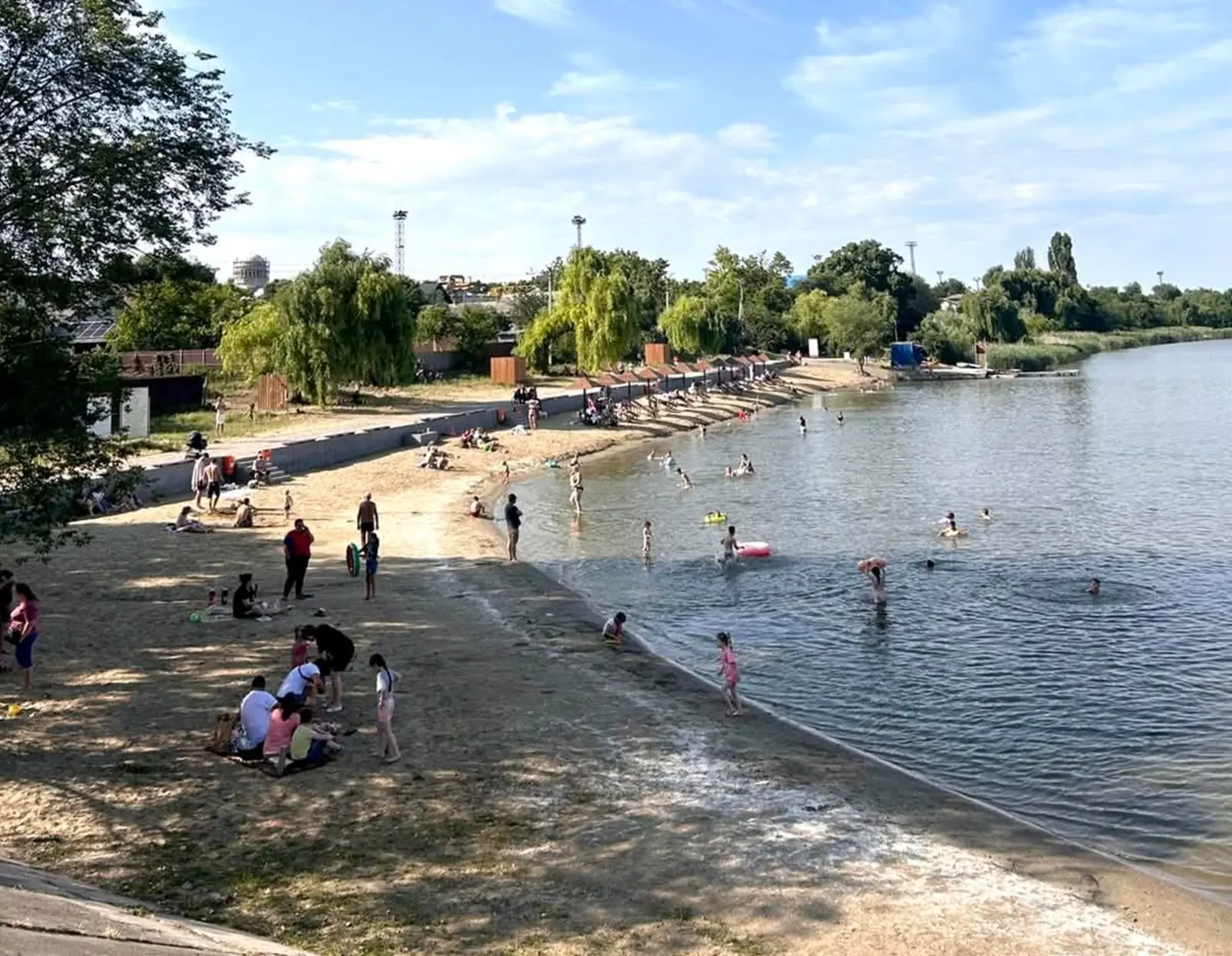
A crowded beach on the shore of a lake: dozens of people, adults and children, on the sand and in the water, on a sunny summer day.
PUBLIC SERVICES

Lake Delia water is class V for the third summer running — the municipal beach stays open

After the fish die-off in early August, Ungheni City Hall requested a water sample from Lake Delia. The result, released by the Public Health Centre on August 11: water unfit for bathing — class V (the lowest) by chemical parameters. It is the third year in a row with class V results (2024, 2025, 2026), and the area has no sanitary authorization and is not on the monitoring calendar. The municipal beach stays open, with lifeguards. What this means for anyone who swims there — and where you can swim safely.

Ion Calmis·11 August 2026· News
1/3 · reporting underway· got a tip? write to us →
Illustration: an empty village lane with an unpaved dirt road, a plank fence and the closed wooden gate of a household, against a backdrop of vine-covered hills in the warm light of sunset.
LOCAL

Rabies confirmed in Rezina, Ungheni district: animal sales banned in the village for 30 days after the last case

On 30 July the Emergency Situations Commission of the Ungheni district approved a 16-point anti-epizootic plan, after the Territorial Subdivision for Food Safety (Subdiviziunea Teritorială pentru Siguranța Alimentelor) confirmed a case of rabies in the village of Rezina, Mănoilești commune. Collecting and selling animals on the village's territory is banned, the movement of animals is halted, and every animal in the village's households is to be counted within five days. The restrictions lift 30 days after the last case — not 30 days after the decision. The act does not state the species of the infected animal; it became public only on 4 August, in a bulletin of the National Food Safety Agency — a dog. In 2025 the Ungheni district recorded four rabies cases — in the public health agency's list, right after Hîncești, with ten. Post-exposure prophylaxis — after a bite, a scratch or contact with saliva — is free.

Ion Calmis·2 August 2026· News
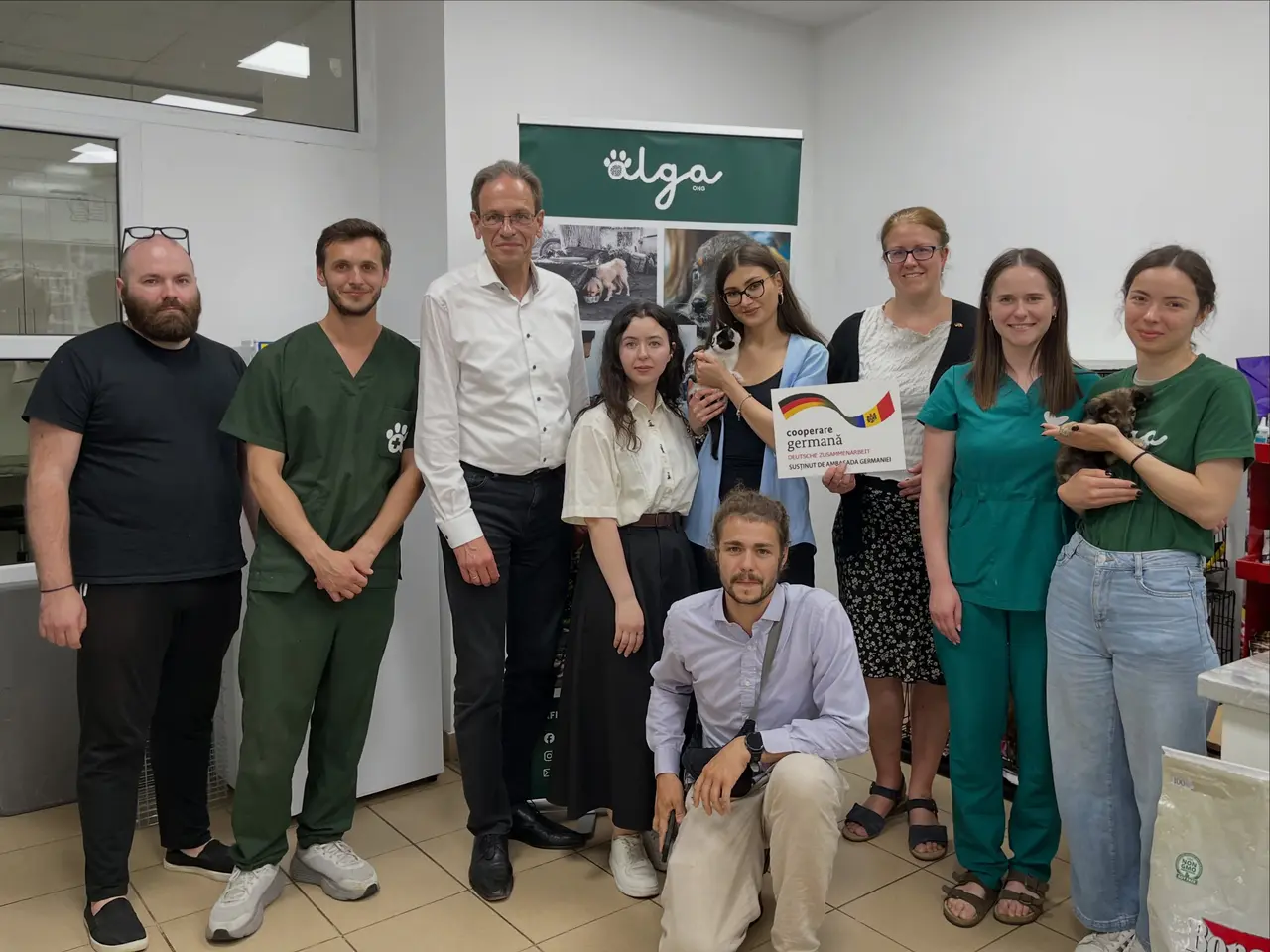
A group of people at the AlgaVet veterinary clinic in Ungheni, in front of an ALGA banner, holding a plaque «German Cooperation — Supported by the German Embassy» and a small Moldovan flag; two of them hold puppies.
LOCAL

50 community cats in Ungheni will be neutered with German support — in a district hit by rabies

At AlgaVet Ungheni — the social clinic of the ALGA association — a partnership with the German Embassy was signed on 25 June: medical equipment, training for young vets, and the neutering of 50 of the town's community cats. It looks like a small gesture, but it touches a real public-health problem: in 2025, Ungheni district was the country's second by number of rabies cases, and the authorities link the risk directly to stray animals.

Ion Calmis·25 June 2026· News
2/3 confirmed · PEOPLE — pending· got a tip? write to us →
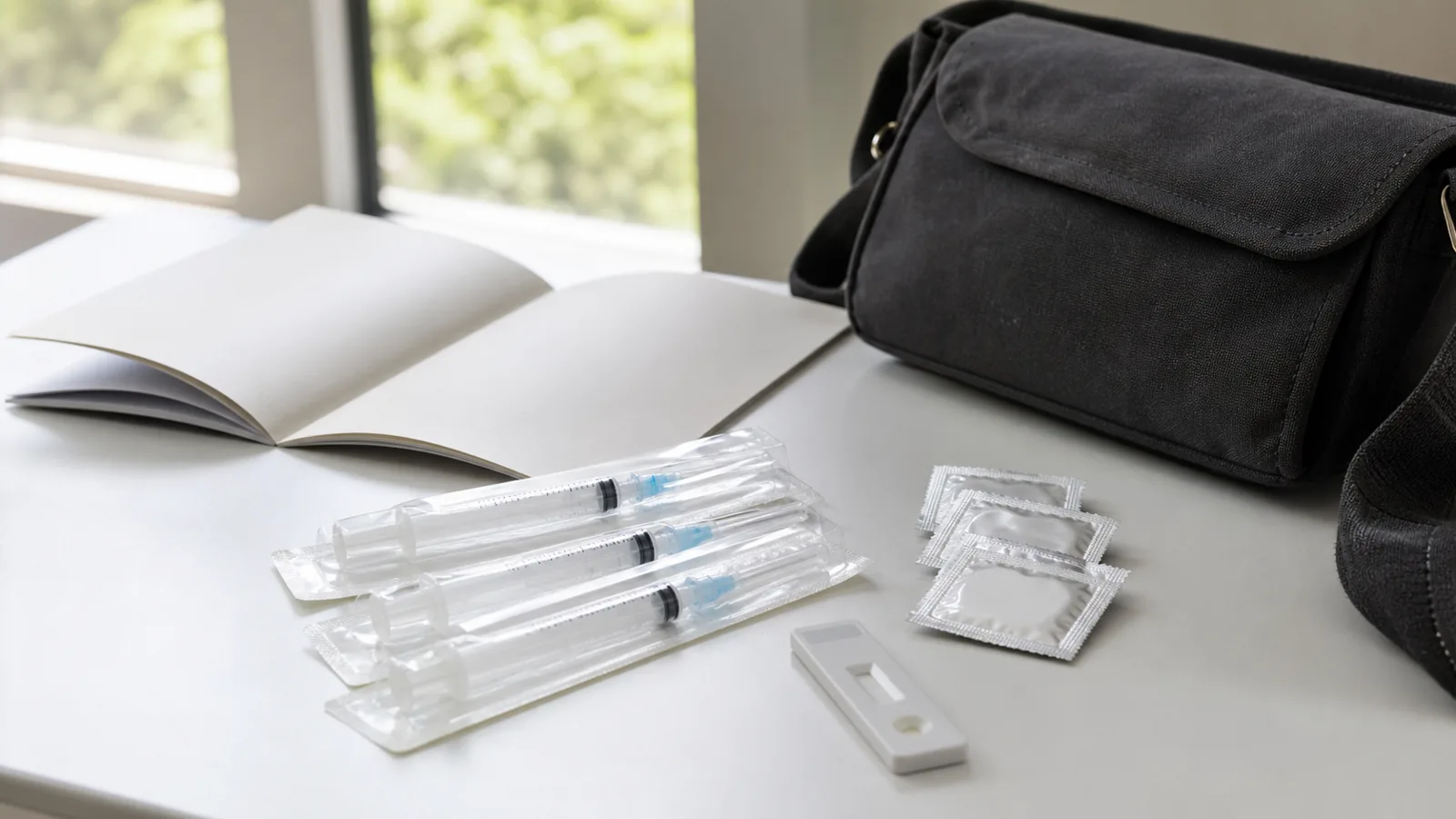
Illustration: a prevention kit on a table — sealed sterile syringes in medical packaging, condoms, a rapid HIV test and a brochure — next to the bag of a mobile outreach team. No people in the frame.
EDUCATION & HEALTH

Why the state now pays for HIV prevention among key groups in Ungheni

Needle exchange, HIV tests, counselling and tuberculosis screening — services that hundreds of people from key groups receive in Ungheni are now paid for from the prophylaxis fund of the National Health Insurance Company, not by foreign donors. Ungheni is named explicitly in a project won in February by the NGO Union for Equity and Health, part of a national package of 33 million lei for 2026–2028. A quiet but consequential shift: in a concentrated epidemic, prevention where the risk is highest protects everyone's health.

Ion Calmis·17 June 2026· Explainer